
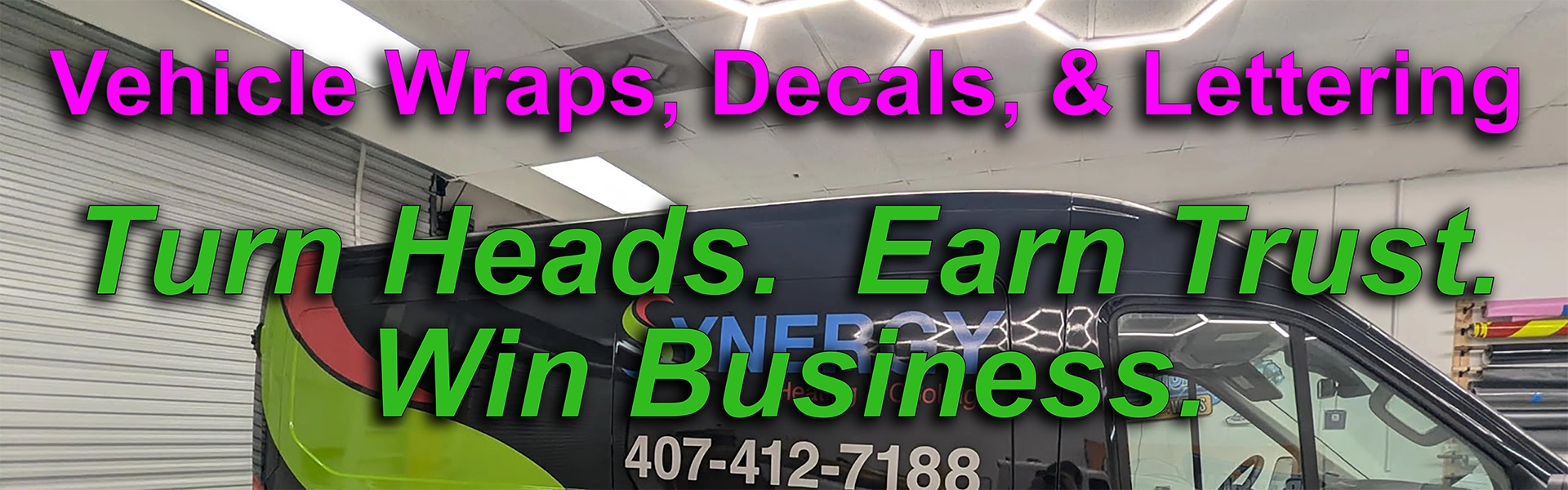
Vehicle wraps turn ordinary cars, trucks, and vans into mobile marketing machines that generate thousands of impressions daily. But not all wraps perform equally. Some command attention from blocks away while others blend into traffic and disappear.
The difference comes down to intentional design choices that account for how people actually see moving vehicles. Understanding these principles helps you create wraps that stop traffic figuratively rather than literally.
The Science of Roadside Attention
Human vision works differently when objects are in motion. Drivers and pedestrians process information quickly, often in fractions of a second. A parked vehicle might get five to ten seconds of viewing time. A moving vehicle in traffic might get two seconds or less. This reality shapes every design decision for effective vehicle wraps.
Contrast drives visibility more than any other factor. The human eye naturally gravitates toward areas of high contrast, where light and dark meet sharply. Wraps using strong contrast between background colors and text or graphics instantly pop against any environment. Low contrast designs force viewers to work harder to process information, and most simply will not bother.
Size matters enormously for readability. Text that looks perfectly legible on a computer screen becomes illegible at fifty feet. Elements that seem bold in proofs appear tiny on actual vehicles surrounded by traffic and visual noise. Effective wraps scale everything larger than intuition suggests.
Color Choices That Command Attention
Color selection impacts visibility more than most people realize. Certain colors naturally draw the eye while others recede into backgrounds. Understanding which colors work best helps create vehicle wraps that cannot be ignored.
High visibility colors include bright yellow, orange, red, and lime green. These colors trigger alertness responses because they stand out against most urban environments. Emergency vehicles use these colors precisely because they demand immediate attention. Commercial wraps can leverage the same psychology.
Background environment matters when selecting colors. A bright green wrap might pop in a downtown area with gray buildings. That same green could disappear when parked near landscaping or driving through suburban areas with vegetation. Consider where wrapped vehicles will spend most of their time.
White vehicles wrapped with dark graphics often perform exceptionally well. The contrast remains high regardless of environment, and the clean appearance projects professionalism. Black vehicles with bright graphics create similar impact. Graphxunlimited.com works with clients to select color combinations optimized for their specific markets.
Typography That Reads at Speed
Font selection can make or break a wrap's effectiveness. Beautiful script fonts that look elegant up close become completely illegible from moving vehicles. The goal is instant recognition, not artistic impression.
Sans serif fonts generally outperform serif fonts for wrap applications. Clean lines without decorative flourishes read faster at distance and speed. Bold weights provide the necessary thickness to remain visible as viewing distance increases.
Letter spacing requires adjustment for vehicle applications. Standard spacing designed for print often appears cramped when scaled to vehicle size. Opening up spacing improves readability without sacrificing design aesthetics.
Limit text to essential information only. Company name, primary service, and phone number typically represent maximum readable content. Adding taglines or service lists creates visual clutter that actually reduces information retention. Viewers remember less when presented with more.
Many businesses coordinate their vehicle typography with other materials like retractable banners for consistent brand presentation at events.
Strategic Placement on Vehicle Surfaces
Not all vehicle surfaces deliver equal visibility. Understanding sight lines and traffic patterns helps position key elements where they will actually be seen.
Door panels represent prime real estate for most vehicles. They sit at eye level for pedestrians and adjacent drivers. They remain visible whether the vehicle is parked or moving. They typically offer flat surfaces that accommodate graphics well.
Rear surfaces get the longest viewing times in traffic. Vehicles following a wrapped truck or van stare directly at that surface, sometimes for extended periods. This makes rear placement ideal for phone numbers and websites that benefit from longer exposure.
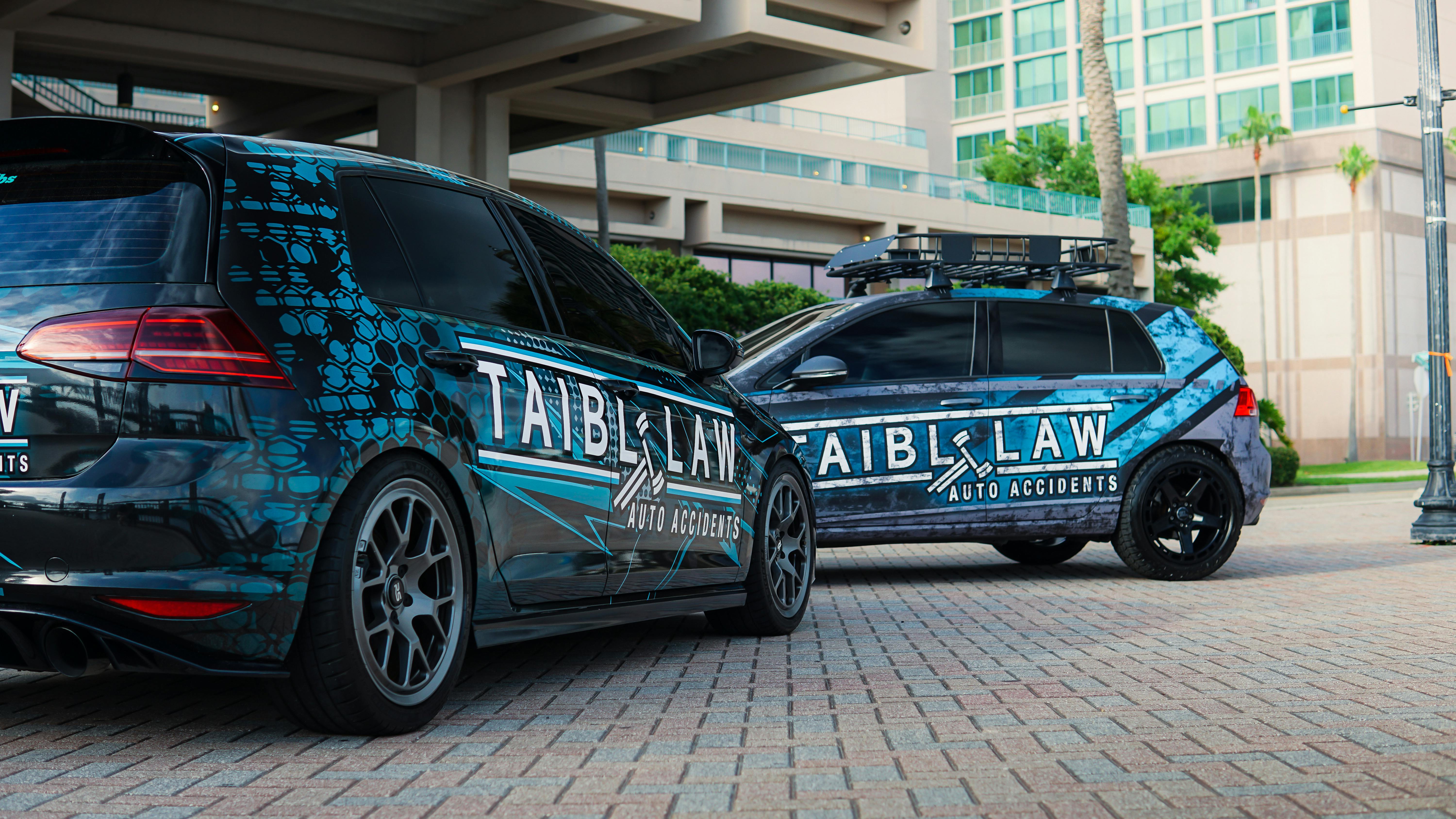
Side surfaces work best for brand recognition and visual impact. Large logos and bold graphics on sides create the billboard effect that makes vehicle wraps so powerful. These surfaces get brief but frequent exposure as vehicles pass through traffic.
The Full Wrap Versus Partial Debate
Budget often determines whether businesses choose full or partial wraps. Both approaches work effectively when executed properly.
Full wraps provide maximum canvas for creative expression. Every surface becomes an opportunity to reinforce branding. The complete coverage creates a professional appearance that signals investment. Full wraps also protect underlying paint from sun damage.
Partial wraps concentrate impact on strategic surfaces. When done well, partial wraps nearly match full wrap effectiveness at lower cost. The key is choosing surfaces based on visibility patterns rather than simply covering less area.
Spot graphics offer the most economical entry point. Simple door logos with contact information generate significant returns despite minimal coverage.
Material Quality and Longevity
Not all wrap materials perform equally. Quality differences become apparent through fading, peeling, and cracking. These failures project unprofessionalism and waste money.
Premium cast vinyl conforms better to curves, resists shrinking, and maintains vibrancy under UV exposure. Higher initial cost pays dividends through extended lifespan.
Lamination protects graphics from UV damage and scratches. Glossy lamination creates vibrant finishes while matte provides sophisticated appearances. Both extend wrap life significantly.
Professional installation matters as much as material quality. Proper preparation and technique ensure vehicle wraps perform as intended. Bubbles and lifting edges signal amateur work.
Designing for Your Specific Industry
Different industries face different visibility challenges. Effective wraps account for these industry-specific factors.
Service contractors benefit from clear service identification visible from the street. Homeowners seeking plumbers or electricians often notice wrapped vehicles in their neighborhoods. Simple designs with clear contact information convert sightings into calls.
Food service vehicles require appetite appeal. Food truck wraps need to convey quality while making menu offerings clear. Photography of actual menu items dramatically outperforms generic imagery.
Real estate professionals coordinate wrapped vehicles with real estate signs for maximum local presence. Consistent branding reinforces recognition across all touchpoints.
Delivery companies need fleet consistency. Multiple vehicles with identical wraps create the impression of a larger operation. Even small businesses project scale through consistent branding.
Common Mistakes That Kill Effectiveness
Certain errors appear repeatedly in ineffective vehicle wraps. Avoiding these pitfalls dramatically improves results.
Too much information overwhelms viewers. The impulse to include everything leads to designs that communicate nothing. If it cannot be read in two seconds, remove it.
Poor image quality destroys professional appearance. Pixelated photos signal carelessness. All imagery should be high resolution and properly scaled.
Ignoring vehicle features creates awkward results. Door handles and mirrors interrupt graphics predictably. Effective designs incorporate these features.
Trend chasing dates wraps quickly. Classic designs age better than trendy approaches that feel dated within months.
Maintaining Wrap Appearance
Vehicle wraps require maintenance to preserve their attention-grabbing power. Neglected wraps fade and develop damage undermining effectiveness.
Regular washing removes contaminants degrading materials. Hand washing protects lamination better than automated washes, though touchless options work acceptably.
Parking in shade extends wrap life significantly. UV exposure causes the most damage. Reducing sun exposure translates to longer-lasting vibrancy.
Addressing damage promptly prevents spreading. Small tears worsen when ignored. Many installers offer repairs addressing isolated damage without complete rewrapping.
Businesses often extend branding across other materials. Coordinating with vinyl banners and custom stickers creates cohesive brand presence.
Measuring Wrap Performance
Unlike digital advertising with precise metrics, wrap performance requires different measurement approaches.
Ask new customers how they found you. Tracking reveals how many leads originated from vehicle sightings.
Monitor calls and website visits from areas where wrapped vehicles operate. Increases following deployment suggest effective exposure.
The most effective vehicle wraps combine strategic design, quality materials, and professional installation to create moving advertisements generating returns for years without ongoing media costs.
Frequently Asked Questions (FAQs)
1. How Far Away Should a Vehicle Wrap Be Readable?
Key information like company names and phone numbers should be readable from at least fifty feet. This requires larger text and higher contrast than most people initially expect. Test designs by viewing proofs from across a parking lot before finalizing.
2. Do Bright Colors Always Work Better for Vehicle Wraps?
Bright colors generally attract more attention, but effectiveness depends on your brand and market. Professional service businesses may benefit from sophisticated palettes projecting trust. The best approach balances visibility with brand appropriateness.
3. How Long Do Quality Vehicle Wraps Typically Last?
Premium vehicle wraps with proper installation typically last five to seven years. Harsh climates and frequent sun exposure shorten lifespan, while covered parking and regular care extend it beyond seven years.
4. Should I Wrap Leased Vehicles?
Yes, quality wraps protect leased vehicles from minor paint damage and can be removed cleanly. Many businesses successfully wrap leased fleet vehicles. Ensure professional installation and removal to avoid lease return issues.
5. What Information Is Essential on a Vehicle Wrap?
At minimum, include company name and one contact method. Service businesses benefit from brief service descriptions. Resist adding more. Simple, bold designs on vehicle wraps communicate more effectively than cluttered ones.
