



Custom plaques have honored achievements for centuries, and their appeal shows no signs of fading. In an era of digital badges, virtual awards, and disposable certificates, something about a well-crafted plaque commands respect that newer formats simply cannot match.
Recipients display them proudly for decades. Organizations rely on them for their most meaningful recognition moments. The format endures because it works, delivering emotional impact that fleeting alternatives struggle to achieve.
The Psychology Behind Physical Recognition
Human beings respond differently to tangible objects than to digital representations. A physical award engages multiple senses. Recipients feel its weight, see the light reflecting off polished surfaces, and experience the permanence of engraved text. These sensory elements combine to create emotional responses that emails and electronic certificates cannot replicate.
The permanence of custom plaques matters psychologically. Digital files get lost, deleted, or forgotten in cluttered folders. Printed certificates fade, wrinkle, and eventually deteriorate. Quality plaques maintain their appearance for generations, serving as constant reminders of achievement. This longevity reinforces the value of the recognition itself.
Display potential amplifies the psychological impact. Recipients who hang plaques in offices or homes see them daily. Visitors notice and often ask about them. Each viewing and conversation reinforces the positive feelings associated with the original recognition moment. No digital badge delivers this sustained reinforcement.
Material Options for Every Purpose
The materials used in plaque construction significantly influence both appearance and perception. Different applications call for different material choices, and understanding these options helps match recognition to occasion.
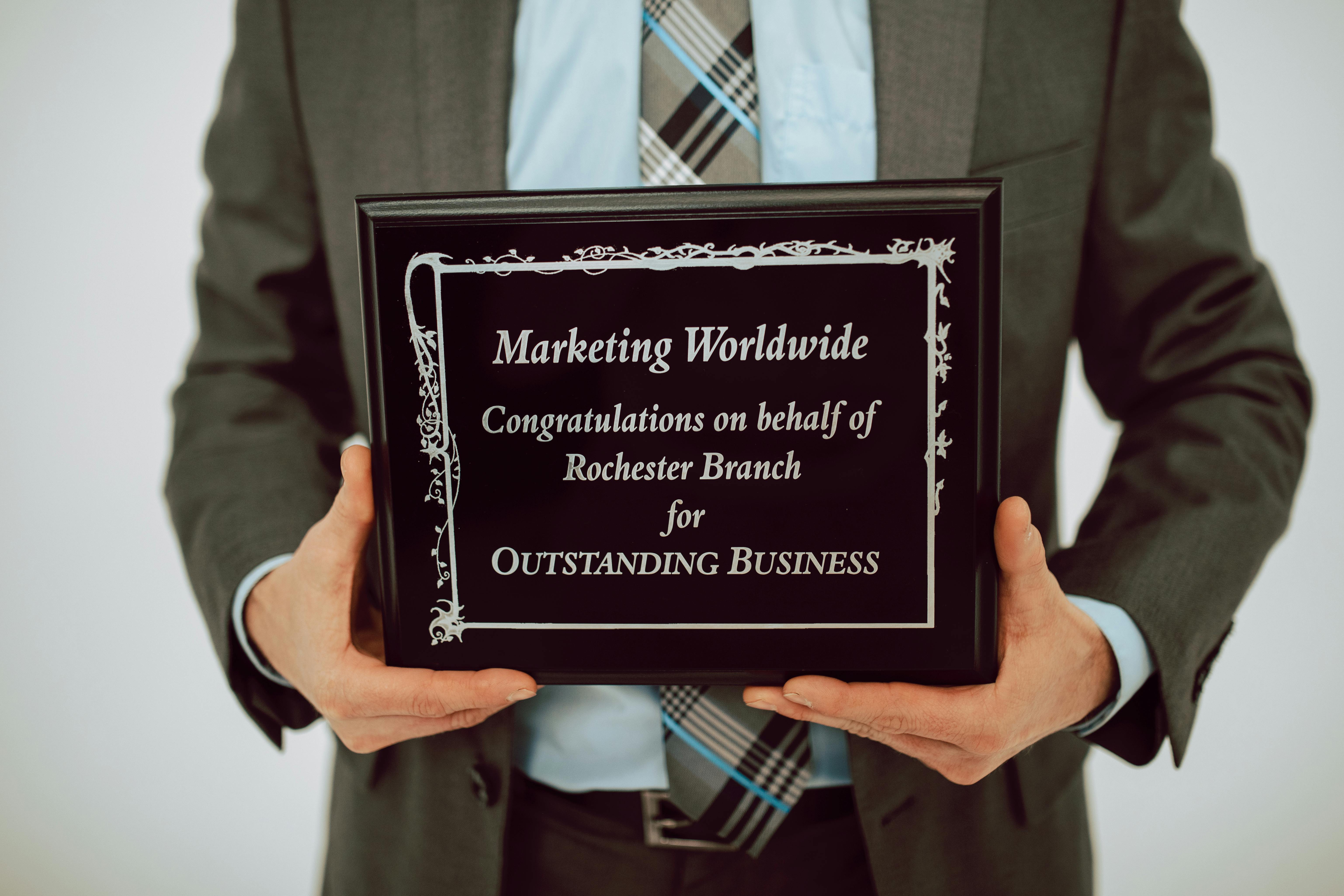
Wood remains the classic choice for traditional settings. Walnut, cherry, and oak provide rich grain patterns that convey warmth and prestige. Piano finish treatments create glossy, mirror-like surfaces that elevate any award presentation. These finishes work particularly well for corporate recognition, academic achievements, and professional milestones.
Acrylic offers modern aesthetics with excellent versatility. Clear acrylic creates striking visual effects, especially when combined with colored printing or edge lighting. Colored acrylics enable brand matching and creative design possibilities. The material suits contemporary organizations wanting fresh approaches to recognition.
Metal plaques project authority and permanence. Aluminum provides lightweight durability with excellent engraving results. Brass delivers traditional elegance associated with prestigious awards. Stainless steel offers industrial sophistication for certain applications. Graphxunlimited.com helps clients select materials matching their specific recognition goals.
Engraving Techniques That Make Impressions Last
The method used to create text and graphics on plaques affects both appearance and longevity. Modern technology has expanded options well beyond traditional approaches, though classic techniques retain their place for specific applications.
Laser engraving produces precise, detailed results with excellent consistency across multiple pieces. The process works well on wood, acrylic, metal, and coated surfaces. Laser-engraved text and graphics resist fading and wear, maintaining sharp appearance indefinitely. This technique handles everything from simple text to complex logos and images.
Sublimation printing enables full-color reproduction on specially coated surfaces. This process produces photographic quality results impossible to achieve through engraving alone. Sublimated plates can include logos, photos, and gradients that match exact brand colors. The technique works particularly well for personalized awards featuring recipient photographs.
Traditional metal engraving cuts directly into material surfaces. This method creates depth and shadow effects that catch light differently than surface treatments. Deep engraving on brass or aluminum provides unmistakable quality signals that recipients recognize immediately.
Many organizations coordinate plaque designs with other recognition materials. Companies presenting awards at ceremonies often display retractable banners featuring consistent branding alongside individual awards.
Sizing and Proportion Considerations
Plaque dimensions should match both significance of recognition and intended display environment. Undersized plaques diminish important achievements. Oversized plaques overwhelm spaces.
Standard sizes exist for good reason. Common dimensions like eight by ten inches fit typical office display situations. These sizes accommodate reasonable text while remaining practical.
Larger formats suit major achievements. Retirement recognitions and lifetime awards warrant substantial sizes commanding attention.
Smaller plaques work well for frequent recognition. Monthly awards and participation acknowledgments deserve recognition without requiring substantial pieces.
Design Elements That Elevate Recognition
Beyond materials and engraving, design choices determine whether custom plaques feel special or generic.
Borders establish visual hierarchy. Simple beveled edges provide clean, professional appearances. Ornate frames suit formal occasions. Contemporary designs might eliminate visible borders for sleek presentations.
Plate positioning affects visual balance. Centered plates create formal compositions. Offset placements accommodate additional elements like logos.
Color choices reinforce meaning. Gold tones convey prestige. Silver suggests excellence. Corporate colors maintain brand consistency.
Typography deserves attention. Script fonts add elegance but sacrifice readability at smaller sizes. Clean sans-serif fonts ensure legibility. Combining styles distinguishes award names from recipient information.
Corporate Recognition Applications
Businesses use custom plaques extensively for internal recognition. The format suits various corporate purposes, from individual achievement to organizational milestones.
Employee of the month programs benefit from consistent plaque formats. Establishing standard designs creates recognizable program identity. Perpetual wall plaques displaying accumulated honorees build program history. Individual take-home plaques give recipients permanent keepsakes.
Years of service awards mark significant tenure milestones. Five, ten, and twenty year marks typically receive recognition. Plaque quality often increases with tenure, reflecting growing organizational value.
Sales achievement plaques motivate performance while recognizing success. Top performer awards and competition winners suit plaque recognition. Displaying these prominently reinforces achievement culture.
Many companies coordinate recognition with broader branding. Award ceremonies often feature vinyl banners displaying company values.
Academic and Athletic Recognition
Schools and sports organizations rely heavily on plaque recognition. These applications have established traditions that the format serves perfectly.
Academic achievement awards celebrate scholarly excellence. Honor roll recognition and graduation honors suit plaque formats well. Students display these through college applications and early careers.
Athletic recognition commemorates team and individual accomplishments. Championship plaques, most valuable player awards, and record-breaking performances deserve permanent recognition. Team plaques listing roster members become treasured keepsakes.
Coaching milestones honor dedication to athletic programs. Career win totals and championship seasons acknowledge contributions shaping countless young athletes.
Organizations often pair athletic plaques with custom stickers for team gear and equipment.
Memorial and Dedication Applications
Custom plaques serve solemn purposes beyond celebration. Memorial and dedication applications require thoughtful approaches respecting their serious nature.
Building dedications commemorate significant contributions. Donors and founders deserve permanent recognition on facilities they made possible. These plaques become part of institutional history.
Memorial plaques honor individuals no longer present. Scholarships established in someone's memory and workplace tributes require dignified treatment. Design choices should reflect appropriate solemnity while celebrating lives.
Many organizations coordinate dedication ceremonies with displays. Wedding signage techniques often inform memorial design approaches.
Ordering and Production Considerations
Understanding production helps ensure custom plaques meet expectations. Several factors influence timeline and results.
Artwork requirements vary by method. Vector graphics work best for engraved elements. High-resolution photographs suit sublimation printing. Appropriate file formats prevent quality issues.
Proofing catches errors before production. Spelling verification matters enormously for personalized awards. Rushing past proofing risks embarrassing mistakes.
Quantity affects pricing significantly. Per-unit costs drop at higher quantities. Organizations with ongoing needs benefit from ordering supplies in advance.
Timeline planning prevents disappointment. Standard production takes one to two weeks. Rush services accommodate urgent needs at premium pricing.
Caring for Recognition Awards
Proper care maintains plaque appearance through years of display. Simple maintenance preserves the investment.
Dust removal requires gentle approaches. Soft cloths prevent surface scratching. Avoid harsh chemicals that might damage finishes.
Display location affects longevity. Direct sunlight can fade certain finishes. Climate-controlled indoor spaces provide ideal conditions.
The enduring appeal of custom plaques reflects fundamental human desires for recognition and permanence. Digital alternatives offer convenience but cannot match the emotional impact of quality physical awards. Organizations serious about meaningful recognition continue choosing this timeless format.
Frequently Asked Questions (FAQs)
1. How Long Does It Take to Produce Custom Plaques?
Standard production typically requires one to two weeks from artwork approval to delivery. Rush services can reduce timelines to several days for urgent needs. Complex designs, large quantities, or specialty materials may extend production schedules. Planning ahead ensures timely delivery.
2. What Information Should Custom Plaques Include?
Essential elements include recipient name, award title, presenting organization, and date. Additional elements might include achievement descriptions, logos, or inspirational quotes. Avoid overcrowding plates with excessive text that reduces visual impact and readability.
3. Can Plaques Include Full-Color Images and Logos?
Yes, sublimation printing enables full-color reproduction including photographs, complex logos, and gradient designs. This process requires specially coated surfaces but produces excellent results matching exact brand colors and photographic quality.
4. What Size Plaque Is Appropriate for Employee Recognition?
Standard sizes between seven by nine inches and nine by twelve inches work well for most employee recognition applications. Larger sizes suit major milestones like retirement or significant anniversaries. Smaller formats work for frequent recognition programs.
5. How Should Custom Plaques Be Displayed and Maintained?
Wall mounting works best for most custom plaques, using appropriate hardware for wall type and plaque weight. Display away from direct sunlight to prevent fading. Dust regularly with soft cloths and avoid harsh cleaning chemicals that might damage finishes.
