Which Custom Printing Method Is Best for Small Apparel Orders?
Small apparel orders are common for businesses, schools, events, teams, churches, clubs, clothing brands, and personal projects. Maybe you need five staff shirts, a dozen event tees, a few custom hoodies, or one personalized gift.
However, choosing the right printing method can feel confusing. Screen printing, direct-to-film printing, embroidery, direct-to-garment printing, and vinyl all have different strengths.
So, what is the best printing method for small apparel orders?
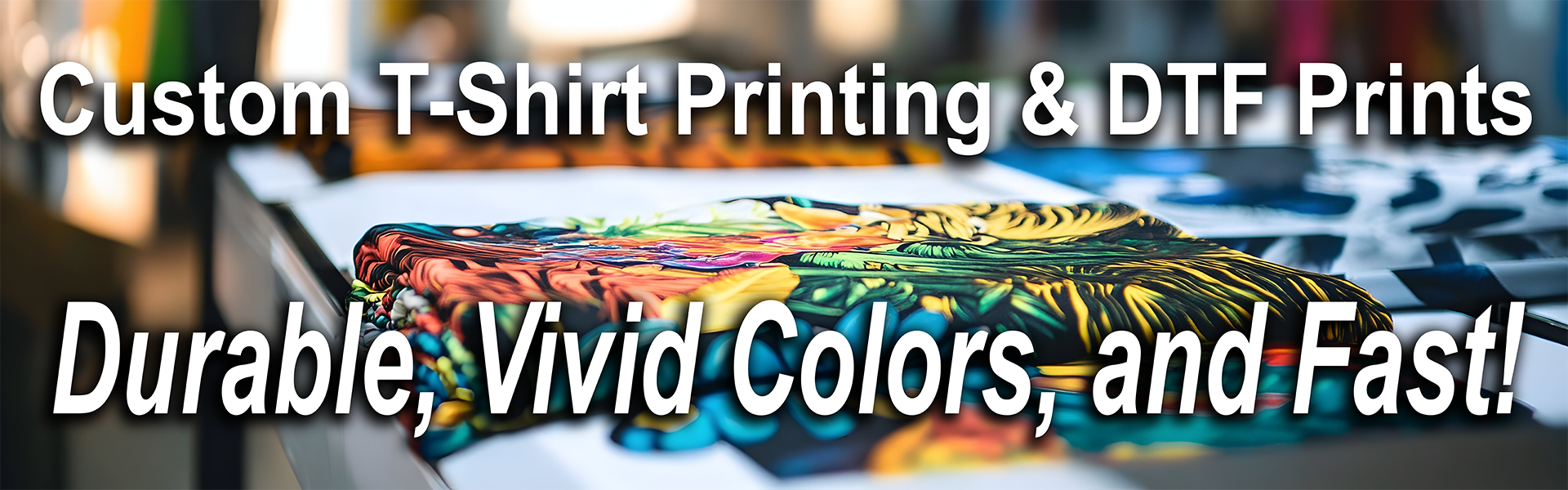
For most small orders, DTF printing, also known as direct-to-film printing, is usually the best overall choice. It works well for full-color designs, detailed logos, small quantities, different garment types, and fast custom apparel projects. GraphX Unlimited describes DTF as a flexible option for small runs, large orders, business apparel, school shirts, team uniforms, promotional items, and personal projects.
That does not mean DTF is the only good option. The best method depends on your design, garment type, budget, quantity, deadline, and desired look.
Why Small Apparel Orders Need the Right Printing Method
Small apparel orders are different from large bulk orders.
When you only need a few pieces, setup cost matters. Some decoration methods are designed for high-volume production, while others are better for short runs, custom names, multiple designs, or full-color artwork.
For example, traditional screen printing can be excellent for larger quantities, especially when the design uses only a few colors. However, it may not be the most practical option for a small order with multiple colors or several design variations.
A small order may include:
- One custom shirt
- Five employee polos
- Ten event T-shirts
- A dozen fundraiser shirts
- A few hoodies
- Matching team apparel
- Personalized family reunion shirts
- Limited-edition merch
- Small business uniforms
Because the order is smaller, businesses usually need a method that keeps setup efficient while still producing professional results.
Best Overall Choice: DTF Printing for Small Apparel Orders
DTF printing is often the strongest choice for small apparel orders because it does not require the same screen setup used in traditional screen printing. GraphX Unlimited notes that DTF is practical for short runs, personalized pieces, and larger coordinated orders, including one special item, staff shirts, or group apparel.
What Is DTF Printing?
DTF stands for direct-to-film.
The design is printed onto a specialty transfer film, prepared with adhesive powder, and then applied to the garment using heat and pressure.
DTF can produce detailed, full-color graphics on common fabric types such as cotton, polyester, and cotton-poly blends. It works well for logos, artwork, team graphics, event designs, promotional apparel, and branded merchandise.
Why DTF Works Well for Small Orders
DTF is a smart choice when you need flexibility.
It is especially useful for:
- Full-color logos
- Small text
- Detailed designs
- Gradients
- Photographs
- Dark shirts
- Light shirts
- Multiple garment colors
- Short runs
- Personalized apparel
- Business uniforms
- Event shirts
- Fundraiser apparel
- Team gear
DTF can also work on many types of apparel, including T-shirts, hoodies, sweatshirts, work shirts, performance wear, tote bags, and more. Final compatibility depends on the garment, so unusual fabrics or heat-sensitive materials should be reviewed before production.
When DTF Printing Is the Best Choice
Choose DTF when you want:
- A small order
- A full-color design
- Fast setup
- Sharp detail
- Multiple shirt colors
- A logo on dark apparel
- Custom names or variations
- One design across different garment styles
- A professional result without a large minimum order
For many small businesses, DTF is ideal for branded shirts, staff apparel, company event shirts, promotional T-shirts, school spirit wear, sports team apparel, and small merch drops.
Screen Printing: Best for Larger Apparel Orders
Screen printing is one of the most traditional and popular methods for custom T-shirt printing.
It uses screens to apply layers of ink directly onto the garment. Each color usually requires its own screen, which means setup is a major part of the process.
When Screen Printing Makes Sense
Screen printing is often best when:
- The order quantity is larger
- The design uses fewer colors
- Every shirt has the same artwork
- You want a classic ink feel
- The project has enough volume to justify setup
- You need bulk event shirts or uniforms
For example, if a company needs 100 shirts with a simple one-color logo, screen printing may be a strong option.
When Screen Printing May Not Be Best
Screen printing may be less practical for very small orders because setup costs can make the per-shirt price higher.
It may also be less efficient when the design includes:
- Many colors
- Gradients
- Photographic details
- Several artwork variations
- Personalized names
- Very small quantities
For small, detailed, full-color orders, DTF is often more flexible.
Embroidery: Best for Premium Logos and Professional Apparel
Embroidery creates a stitched design using thread.
It is popular for polos, hats, jackets, uniforms, bags, and professional apparel.
When Embroidery Is the Best Choice
Choose embroidery when you want a polished, high-end look on:
- Polo shirts
- Button-down shirts
- Jackets
- Hats
- Quarter-zips
- Work uniforms
- Backpacks
- Bags
- Corporate apparel
Embroidery works especially well for left-chest logos, employee uniforms, management apparel, and branded hats.
When Embroidery May Not Be Best
Embroidery is not always ideal for every design.
It may not work well for:
- Photographs
- Gradients
- Tiny text
- Very detailed artwork
- Large full-front graphics
- Lightweight garments
- Designs with many color blends
Detailed logos may need to be simplified before embroidery. The artwork also needs to be digitized so the machine knows how to stitch the design.
For premium business apparel, embroidery is excellent. For full-color graphic T-shirts, DTF is usually better.
DTG Printing: Good for Full-Color Cotton Shirts
DTG stands for direct-to-garment printing.
This method prints ink directly onto the fabric. It is commonly used for detailed, full-color designs on cotton apparel.
When DTG Makes Sense
DTG may work well for:
- One-off shirts
- Full-color artwork
- Soft-feel prints
- Cotton T-shirts
- Detailed illustrations
- Print-on-demand apparel
When DTG May Not Be Best
DTG may be more limited depending on garment fabric, color, pretreatment requirements, and shop equipment.
It is generally strongest on cotton garments. DTF is often more flexible across different apparel materials and colors.
For small apparel orders that include cotton, polyester, blends, hoodies, tote bags, or mixed garment types, DTF may be the more practical choice.
Heat Transfer Vinyl: Best for Simple Names and Numbers
Heat transfer vinyl, often called HTV, uses cut vinyl material that is pressed onto the garment.
It can be useful for simple designs, names, numbers, and single-color lettering.
When Vinyl Works Well
Vinyl can be a good option for:
- Team names
- Player numbers
- Staff names
- Simple text
- One-color graphics
- Small personalization jobs
When Vinyl May Not Be Best
Vinyl is less ideal for complex full-color designs, gradients, detailed logos, or large production runs.
It can also feel heavier when used for large graphics.
If your design has multiple colors, fine detail, or photographic elements, DTF is usually a better choice.
Quick Comparison of Apparel Printing Methods
| Printing Method | Best For | Small Order Friendly? |
|---|---|---|
| DTF Printing | Full-color designs, small runs, mixed garments, business apparel | Yes |
| Screen Printing | Larger orders with simple designs | Sometimes |
| Embroidery | Polos, hats, jackets, premium uniforms | Yes |
| DTG Printing | Full-color cotton T-shirts | Yes |
| Heat Transfer Vinyl | Names, numbers, simple text | Yes |
Best Printing Method by Apparel Type
Different garments may need different decoration methods.
T-Shirts
Best options:
- DTF printing for small full-color orders
- Screen printing for larger simple orders
- DTG for cotton shirts with detailed artwork
Hoodies and Sweatshirts
Best options:
- DTF printing for full-color logos and graphics
- Embroidery for premium left-chest designs
- Screen printing for larger hoodie orders
Polo Shirts
Best options:
- Embroidery for professional uniforms
- DTF for full-color logos or event apparel
Hats
Best options:
- Embroidery for a traditional professional look
- Patches for a premium branded style
Tote Bags
Best options:
- DTF for detailed full-color artwork
- Screen printing for larger simple designs
Work Shirts
Best options:
- DTF for logos, back prints, and full-color designs
- Embroidery for left-chest logos
- Screen printing for large uniform orders
What Method Should a Small Business Choose?
For most small businesses, the answer is simple:
Choose DTF printing when you need small quantities, full-color artwork, detailed designs, fast setup, or multiple garment types.
Choose embroidery when you want premium polos, hats, jackets, or professional uniforms.
Choose screen printing when you are ordering a larger quantity of the same design.
This approach gives businesses a practical way to match the printing method to the project instead of forcing every order into one process.
Why Artwork Quality Matters
No printing method can fully fix poor artwork.
A blurry, low-resolution logo may still look blurry when printed. A design with tiny text may be hard to read once placed on a shirt.
GraphX Unlimited emphasizes artwork review because image quality affects the final print. Their DTF process includes checking for issues such as low resolution, poor sizing, blurry details, and production problems before printing.
Before placing an order, prepare:
- Vector artwork when possible
- High-resolution PNG files
- Transparent backgrounds when needed
- Correct spelling
- Accurate dates
- Proper logo colors
- Clear design placement instructions
Good artwork helps create sharper, cleaner, more professional apparel.
Can You Bring Your Own Apparel?
Some customers already have the garments they want to use.
GraphX Unlimited offers DTF printing on customer-provided apparel, allowing customers to choose their own garment brand, fit, fabric, style, and color while GraphX Unlimited handles the decoration. Common customer-supplied items can include T-shirts, polos, hoodies, sweatshirts, work shirts, safety apparel, uniforms, aprons, tote bags, and selected accessories.
This can be helpful when a business needs a specific uniform brand, specialty color, or garment style.
However, customer-provided apparel should be reviewed before production because seams, coatings, fabric content, zippers, pockets, and heat sensitivity can affect print compatibility.
DTF Gang Sheets for Small Apparel Projects
DTF gang sheets can be useful when you have several designs, sizes, logos, names, or placements to print.
A gang sheet places multiple graphics together on one sheet or roll, helping maximize space and reduce waste.
GraphX Unlimited offers DTF gang sheets on 32-inch rolls, which allow more designs, more sizes, and more variations to fit on a single sheet. Their product page explains that this format can help lower the cost per transfer while supporting small-run merch, hoodies, team apparel, and full retail lines.
Gang sheets may be helpful for:
- Small clothing brands
- Event apparel
- Team names and numbers
- Multiple logo placements
- Sleeve graphics
- Left-chest logos
- Back prints
- Fundraiser shirts
- School spirit wear
How to Choose the Right Method for Your Order
Before ordering custom apparel, ask these questions:
How Many Pieces Do You Need?
For one to a few dozen pieces, DTF is often practical. For larger quantities of the same simple design, screen printing may become more cost-effective.
How Detailed Is the Design?
For full-color artwork, gradients, photographs, and detailed logos, DTF is usually a strong choice.
What Type of Apparel Are You Printing?
T-shirts, hoodies, uniforms, polos, bags, and performance shirts may require different methods.
Do You Need a Premium Professional Look?
For polos, jackets, and hats, embroidery may create the most polished appearance.
Do You Need Personalization?
If every item has a different name, number, or design variation, DTF or vinyl may be better than screen printing.
What Is Your Deadline?
Small orders often require fast turnaround. DTF can be efficient because it avoids traditional screen setup.
Is the Garment Compatible?
Not all materials react the same way to heat, pressure, thread, or ink. Ask your print provider before ordering specialty apparel.
Common Mistakes to Avoid
Avoid these problems when ordering small apparel runs.
Choosing Based Only on Price
The cheapest method is not always the best method. Poor print quality can make your business look less professional.
Using Low-Resolution Artwork
Website logos, screenshots, and small JPG files may not print clearly.
Picking the Wrong Garment
Some fabrics, coatings, or seams may not work well with every printing method.
Ordering Too Late
Even small orders need time for artwork review, proofing, printing, curing, pressing, folding, and pickup or delivery.
Forgetting About Placement
Left chest, full front, full back, sleeve, and neck prints all need different sizing and setup.
Skipping Care Instructions
Proper washing helps decorated apparel last longer. GraphX Unlimited recommends turning DTF apparel inside out, washing with similar colors in cool or cold water, avoiding bleach and excessive heat, and not ironing directly over the printed design.
Order Small Custom Apparel From GraphX Unlimited
GraphX Unlimited helps businesses, schools, teams, churches, nonprofits, event planners, families, and creators choose the right apparel printing method for their project.
Whether you need a single custom shirt, a small staff order, event apparel, fundraiser shirts, school spirit wear, team gear, or branded business apparel, GraphX Unlimited can help review your artwork, garment type, design placement, quantity, and deadline.
For most small custom apparel orders, DTF printing is the best place to start. It provides the flexibility, detail, color, and efficiency that small runs often need.
Contact GraphX Unlimited to discuss your order and choose the best printing method for your apparel.
Frequently Asked Questions About Small Apparel Orders
What is the best printing method for small apparel orders?
DTF printing is usually the best overall option for small apparel orders because it works well for full-color designs, detailed logos, mixed garment types, and short runs.
Is screen printing good for small shirt orders?
Screen printing can work for small orders, but it is often more cost-effective for larger quantities because of setup requirements.
Is DTF better than screen printing?
DTF is often better for small orders, full-color designs, detailed artwork, and multiple garment types. Screen printing may be better for larger orders with simple designs.
Is embroidery good for small apparel orders?
Yes. Embroidery is a strong choice for small orders of polos, hats, jackets, and professional uniforms. It is not ideal for large photographic designs or very detailed full-color artwork.
Can I print one custom shirt?
Yes. Depending on the garment and artwork, DTF printing can be a practical option for one custom shirt or a very small order.
What file type is best for custom apparel printing?
Vector files are preferred when available. High-resolution PNG files with transparent backgrounds can also work well for many DTF projects.
Can I bring my own shirts?
GraphX Unlimited offers DTF printing on customer-provided apparel, but garments should be reviewed for print compatibility before production.
