
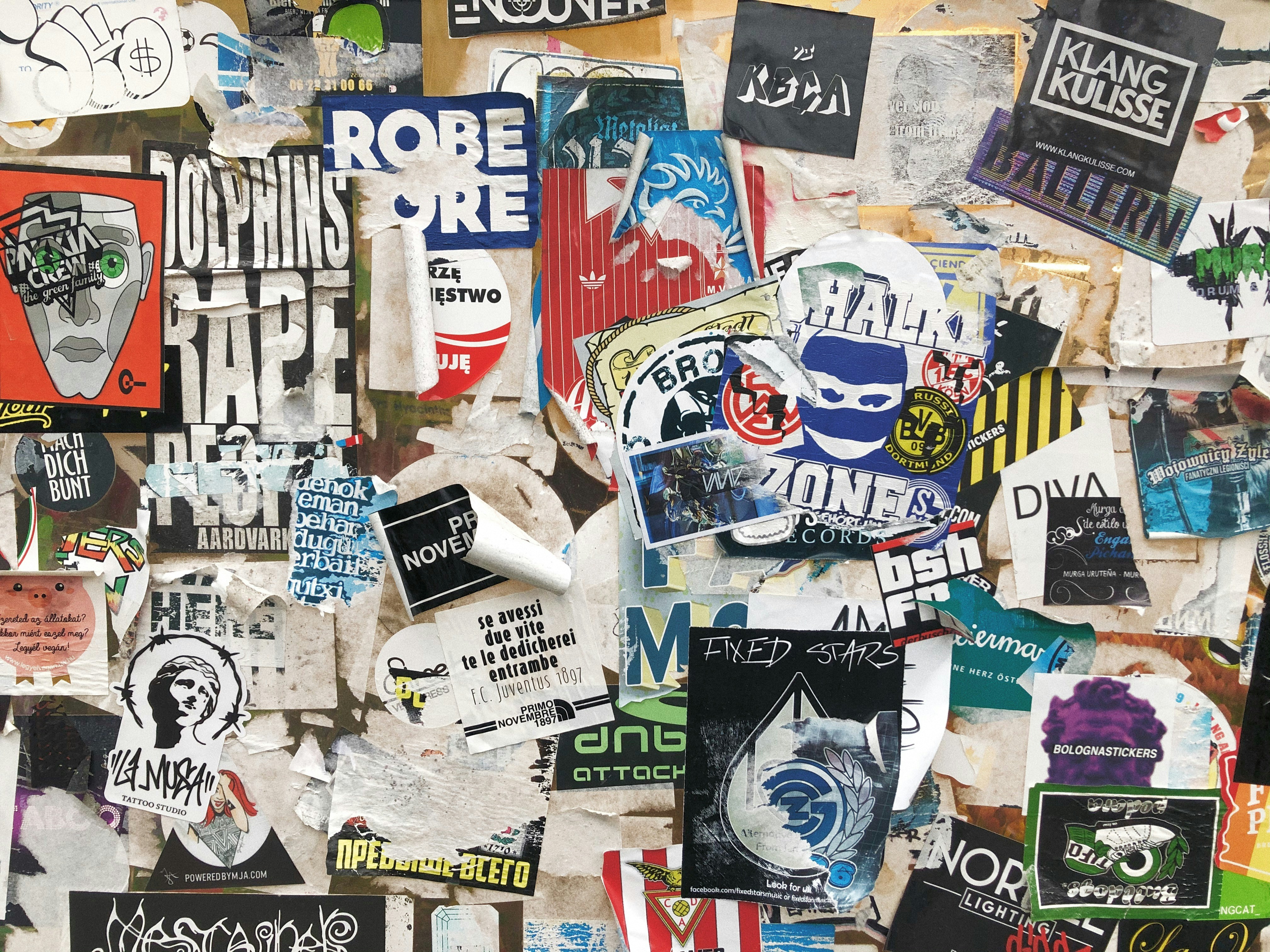
Stickers trigger something primal in human psychology. From childhood, we have been conditioned to see them as rewards, collectibles, and expressions of identity. That conditioning does not disappear with age.
Adults still respond to well-designed adhesive graphics with the same enthusiasm, even if they express it differently. Smart businesses leverage this universal appeal to create marketing materials that customers actually want to display, turning brand messaging into voluntary decoration.
The Psychology of Adhesive Appeal
Understanding why people love stickers reveals how to design them effectively. Several psychological mechanisms drive the appeal, and knowing these helps create designs that resonate.
Ownership and personalization matter deeply. When someone places a sticker on a belonging, they claim it as their own while expressing something about themselves. The laptop covered in stickers tells a story about interests, affiliations, and personality. Your brand can become part of that story.
Collecting behaviors persist into adulthood. People accumulate items that represent experiences, memberships, or aspirations. Well-designed adhesive graphics become keepsakes rather than disposables. The difference between treasured and trashed lies entirely in design and perceived value.
Social signaling drives display decisions. People use visible items to communicate group membership and values. Displaying certain brands signals certain identities. This works in your favor when your brand represents something people want to associate with publicly.
Design Elements That Create Desire
Certain design choices consistently outperform others. Understanding these patterns helps create stickers people genuinely want rather than immediately discard.
Bold simplicity works better than complex detail. Designs must read clearly at actual display sizes. Intricate artwork that looks impressive on screen becomes muddy blur on a three-inch circle. Strong shapes and limited elements maintain impact at any size.
Color choices affect emotional response significantly. Vibrant, saturated colors attract attention and convey energy. Muted palettes suggest sophistication and subtlety. Color psychology varies by culture and context, but consistency with brand identity matters most.
Unexpected shapes generate interest. Die-cut designs following unique contours stand out from standard circles and rectangles. Custom shapes communicate creativity and quality that standard shapes cannot match. Graphxunlimited.com offers die-cutting capabilities that enable distinctive shapes matching any design concept.
Texture and finish add tactile appeal. Glossy finishes create vibrant, eye-catching surfaces. Matte finishes feel premium and photograph well without glare. Specialty finishes like holographic or metallic effects create wow factors that justify premium positioning.
Sizing Strategies for Different Applications
Size dramatically affects where and how stickers get used. Different sizes serve different purposes, and matching size to intended use ensures success.
Small formats between one and two inches work well for laptop decoration, phone cases, and water bottles. These sizes allow collection without overwhelming surfaces. They also cost less to produce, enabling generous distribution.
Medium formats between three and four inches suit car bumpers, notebooks, and window displays. These sizes provide more design real estate while remaining practical for common applications. They balance visibility with versatility.
Large formats above five inches work best for specific applications like vehicle decoration, equipment branding, and wall graphics. These sizes demand attention but require more commitment from recipients. They suit loyal customers and brand ambassadors rather than casual distribution.
Consider providing multiple sizes for different use cases. Some customers want subtle additions to personal items. Others want bold statements for visible surfaces. Accommodating both preferences extends reach and usability.
Material Choices That Match Conditions
Different environments demand different materials. Understanding conditions where your stickers will live ensures they perform appropriately.
Vinyl materials withstand outdoor conditions including sun, rain, and temperature extremes. UV-resistant inks prevent fading. Waterproof adhesives maintain bond through weather exposure. These materials suit vehicle applications, outdoor equipment, and weather-exposed surfaces.
Paper materials work well for indoor applications and temporary uses. Lower costs enable higher quantities for broader distribution. These materials suit event promotions, product packaging, and short-term campaigns.
Specialty materials serve specific needs. Clear vinyl creates see-through effects for window applications. Removable adhesives allow repositioning without residue. Static cling materials stick without adhesive for glass surfaces requiring frequent changes.
Many businesses coordinate material choices with other marketing pieces. Matching durability standards across items like vinyl banners ensures consistent brand presentation over time.
Creating Designs People Actually Display
The ultimate measure of success is voluntary display. When customers choose to put your branding on their belongings, you have achieved marketing gold. Creating display-worthy designs requires specific approaches.
Design for the user, not just the brand. Heavy-handed logos and obvious advertisements rarely earn prime placement. Designs that look cool, funny, or meaningful independent of commercial intent get displayed prominently. Subtle branding works better than aggressive branding.
Consider context where displays happen. Stickers on laptops appear in coffee shops, offices, and public spaces. Designs should feel appropriate across these contexts. Offensive or controversial elements limit display willingness.
Create series that encourage collecting. Multiple related designs motivate customers to obtain complete sets. Limited editions create urgency and exclusivity. Rotating designs keep returning customers engaged.
Test designs with target audiences before mass production. Preferences vary across demographics. What appeals to college students differs from what appeals to professionals. Actual feedback prevents expensive misfires.
Distribution Strategies That Maximize Impact
Getting stickers into the right hands requires strategic thinking. Random distribution wastes resources while targeted approaches maximize returns.
Include them with purchases as bonus gifts. Customers receiving unexpected extras feel appreciated. Product packaging provides natural distribution opportunities. This approach reaches proven customers likely to have brand affinity.
Event distribution reaches concentrated target audiences. Trade shows, community events, and sponsored gatherings put stickers in hands of interested parties. Booth visitors and participants already demonstrate relevant interests.
Partnerships extend reach efficiently. Coffee shops, retail stores, and complementary businesses can distribute to their customers. Cross-promotion benefits both parties while reaching new audiences.
Businesses often coordinate distribution with broader campaigns. Pairing sticker giveaways with retractable banners at events creates cohesive brand presence.
Quality Indicators That Affect Perception
Recipients judge your business based on everything you produce. Sticker quality signals operational quality in ways recipients may not consciously recognize but definitely feel.
Print resolution affects perceived professionalism. Sharp edges, accurate colors, and clean gradients demonstrate attention to detail. Fuzzy images, misaligned elements, and color inconsistencies suggest carelessness.
Cutting precision matters for die-cut shapes. Clean edges following design contours exactly create polished impressions. Rough cuts, missed corners, and visible bleed undermine sophisticated designs.
Adhesive performance affects long-term satisfaction. Stickers that peel, bubble, or fall off disappoint recipients and reflect poorly on your brand. Quality adhesives appropriate for intended surfaces maintain bonds through expected conditions.
Working with experienced providers ensures consistent quality. Companies producing materials like wedding signage understand attention to detail that quality demands.
Practical Applications Across Industries
Different industries use adhesive graphics differently. Understanding applications reveals opportunities.
Retail businesses use them for packaging enhancement and loyalty rewards. Product packages with quality graphics feel more premium.
Service businesses use them for vehicle branding and equipment identification. Work vehicles displaying professional graphics advertise everywhere they travel.
Restaurants use them for packaging and promotional giveaways. Takeout containers displaying appealing designs become mobile advertisements.
Companies combining multiple promotional approaches often coordinate designs with real estate signs and other outdoor materials for consistent branding.
Measuring Success and Return on Investment
Tracking effectiveness requires intentional approaches since adhesive graphics lack built-in metrics.
Social media monitoring reveals organic display. Customers posting photos featuring your branding provide reach data and user-generated content.
Customer feedback surveys can include questions about retention and display. Direct questions reveal whether materials get kept and displayed.
Long-term brand recognition studies reveal cumulative impact. Repeated exposure builds awareness even without immediate transactions.
Stickers succeed when they transcend their nature as promotional materials. The best designs become desired objects that customers actively seek and proudly display.
Frequently Asked Questions (FAQs)
1. What Size Works Best for Giveaway Stickers?
Sizes between two and three inches balance visibility with versatility. This range fits common surfaces like laptops and water bottles while providing enough design space for effective branding. Larger sizes work for specific applications but limit placement options.
2. How Long Do Outdoor Stickers Last?
Quality vinyl with UV-resistant inks typically lasts three to five years outdoors. Exact longevity depends on exposure conditions, with harsh sun and extreme temperatures reducing lifespan. Proper material selection for intended conditions ensures satisfactory performance.
3. Should I Use Glossy or Matte Finish?
Glossy finishes create vibrant colors and eye-catching shine but show fingerprints and create glare in photos. Matte finishes feel premium and photograph well but may appear less vibrant. Consider intended use and brand aesthetic when choosing.
4. How Many Stickers Should I Order Initially?
Initial orders between 500 and 1000 pieces allow testing response without excessive commitment. Per-unit costs decrease at higher quantities, but starting smaller prevents waste if designs need revision. Successful designs warrant larger reorders.
5. Can Stickers Include QR Codes Effectively?
QR codes work on stickers when sized appropriately and printed with sufficient resolution. Codes need at least three-quarter inch dimensions to scan reliably. Consider whether your audience will actually scan codes before including them.
