
Yard signs are everywhere for a reason. They work. Whether you are running for local office, selling a home, promoting a grand opening, or directing guests to a party, these simple displays deliver results without breaking the budget.
But have you ever driven past a sign and struggled to read it? Or noticed one that looked faded after just a few weeks outside? These problems come down to choices made during design and production.
Why This Simple Format Still Dominates Local Marketing
Digital advertising gets most of the attention these days, but physical signage continues to perform exceptionally well for local reach. People driving through neighborhoods or attending community events encounter yard signs constantly. Unlike online ads that disappear with a scroll, a well-placed physical display stays visible around the clock.
The format works because it meets people where they already are. Commuters pass the same routes daily. Neighbors notice what happens on their street. Placing your message directly in their path creates repeated impressions without ongoing costs. Once you install the sign, it keeps working for weeks or months.
Real estate professionals understand this deeply. A single property listing sign can generate multiple inquiries from buyers who happen to drive by. Contractors display contact information at job sites, turning every project into a marketing opportunity.
Material Choices That Affect Longevity
The substrate you select determines how long your yard sign lasts in various weather conditions. Corrugated plastic, often called coroplast, remains the most popular choice for temporary outdoor displays. This lightweight material resists water, handles temperature changes well, and costs less than rigid alternatives.
Coroplast comes in different thicknesses measured in millimeters. Standard 4mm options work fine for short campaigns lasting a few weeks. If you need something sturdier for longer display periods, 6mm or 10mm thicknesses provide additional durability.
For permanent applications, aluminum composite panels offer superior performance. These rigid substrates withstand years of outdoor exposure without warping or deteriorating. Construction companies and businesses needing long-term signage often choose this material despite higher upfront costs. Similar durability considerations apply when selecting real estate signs for property listings.
Design Principles That Maximize Readability
Creating an effective yard sign requires different thinking than designing a brochure. People viewing your display are typically moving. They have seconds to absorb your message. Every design decision should prioritize quick comprehension from a distance.
Limit your text to essential information only. A phone number, website, or simple call to action works better than paragraphs of explanation. The most effective displays communicate their core message in three to five words maximum.
Font selection matters tremendously for outdoor readability. Bold, sans-serif typefaces read clearly from distance. Thin or script fonts become illegible at speed. Stick with clean letterforms and make them large enough to read from across a street.
Color contrast creates visibility. Dark text on light backgrounds or light text on dark backgrounds both work well. Avoid combining colors with similar values. High contrast ensures your message pops regardless of lighting conditions.
When promoting events, consider how your signage complements other marketing efforts. Many businesses coordinate outdoor displays with vinyl banners for comprehensive coverage.
Size Considerations for Different Applications
Standard yard sign dimensions have evolved based on practical experience. The classic 18x24 inch format works well for most residential and political applications. This size balances visibility with ease of installation. Most wire stakes accommodate this dimension.
Larger formats like 24x36 inches provide additional impact for commercial applications or locations where viewers pass at higher speeds. The increased size justifies higher production costs when visibility matters most.
Smaller options around 12x18 inches serve well for directional signage or supplementary displays. These compact formats cost less per unit, making them practical when multiple signs are needed throughout an area.
Installation Methods and Placement Strategy
How you install your yard sign affects stability, visibility, and effectiveness. Wire H-stakes remain the most common mounting solution for temporary displays. These frames push into soft ground and hold coroplast signs securely.
Step stakes provide an alternative for tougher ground conditions. The flat metal design distributes weight across a larger area, making installation easier in compacted soil.
Placement decisions can make or break your investment. Position displays where viewers have clear sightlines and sufficient time to read the message. Corners and areas where traffic naturally slows work better than straight stretches.
Avoid placing signs where landscaping or parked cars block visibility. Check your installation from multiple angles to ensure the message reads clearly from typical viewing positions.
For comprehensive property identification, yard signage often works alongside other formats. Many locations combine ground-level displays with retractable banners for indoor promotion.
Weather Resistance and Maintenance
Outdoor displays face constant environmental challenges. Sun exposure fades colors over time. Wind stresses mounting systems. Rain tests water resistance. Understanding these factors helps you set realistic expectations and choose appropriate materials.
UV-resistant inks significantly extend color vibrancy outdoors. Quality providers use formulations specifically designed for exterior applications. Cheaper alternatives may fade noticeably within weeks of sun exposure. Ask about ink durability when ordering for extended outdoor use.
Proper storage extends the usable life of reusable signage. After campaigns end, clean signs gently with mild soap and water, dry completely, and store flat in a cool location. Graphxunlimited.com recommends inspecting installed signs regularly and replacing any showing significant wear before they reflect poorly on your message.
Common Applications and Use Cases
Political campaigns represent one of the largest markets for this format. Candidates rely on widespread placement to build name recognition. Strategic positioning in high-traffic residential areas creates the visibility needed to win competitive races. The affordable cost per unit allows campaigns to saturate target neighborhoods effectively.
Real estate remains another major application. For sale signs, open house announcements, and directional arrows guide potential buyers to properties. The format has become so associated with home sales that properties without signage sometimes appear less serious to prospective buyers.
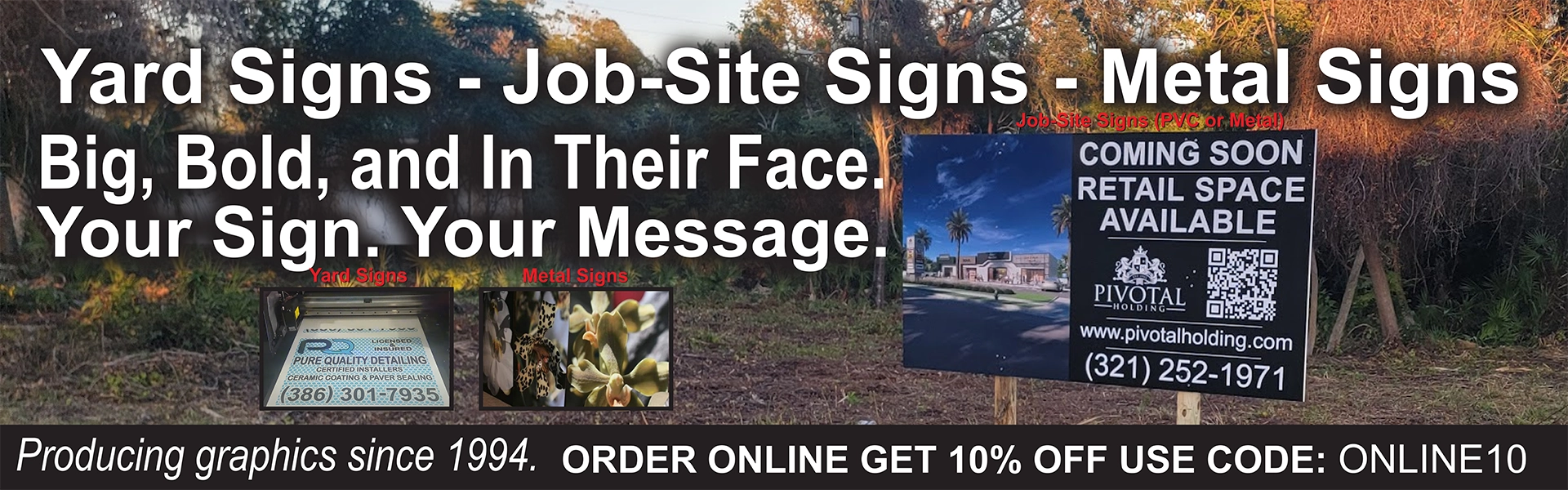
Contractors use job site signage to generate leads from neighbors. A professional display at a roofing project shows potential customers the quality of work happening nearby. This approach turns every completed job into an ongoing marketing opportunity.
Event promotion benefits from temporary outdoor displays. Yard sales, charity fundraisers, and community gatherings all use signage to attract attendees. The low cost per unit makes placing multiple signs throughout a neighborhood affordable for even modest budgets.
Many businesses discover that coordinating outdoor yard signs with other printed materials creates stronger brand consistency. Matching displays with custom stickers reinforces recognition across all touchpoints.
Regulations and Permissions
Before installing outdoor signage, research local regulations governing displays in your area. Many municipalities restrict sign sizes, placement locations, and display durations. Homeowners associations often have additional rules.
Political signs typically receive special protections but still face timing restrictions. Real estate signs may require specific formatting. Commercial signage may need permits depending on size and location.
Violating regulations can result in fines and forced removal. Taking time to understand applicable rules protects your investment.
The format continues evolving with new materials and printing technologies. But the fundamental appeal remains unchanged. Yard signs put your message directly in front of local audiences at costs that make sense for virtually any budget. When designed thoughtfully and installed strategically, they deliver visibility that drives real results.
Frequently Asked Questions (FAQs)
1. What Size Yard Sign Works Best for Residential Areas?
The standard 18x24 inch format works well for most residential applications including political campaigns and real estate listings. This size balances visibility with easy installation and reasonable cost. Larger 24x36 inch options provide additional impact when signs are positioned further from the street.
2. How Long Do Outdoor Signs Typically Last?
Coroplast signs with UV-resistant inks typically last three to six months in normal outdoor conditions. Aluminum composite signs can last several years. Actual lifespan depends on sun exposure and weather severity. Signs in shaded areas generally outlast those in direct sunlight.
3. What Colors Work Best for Outdoor Readability?
High contrast combinations work best. Black text on white or yellow backgrounds reads clearly from distance. Dark blue on white and red on white also perform well. Avoid low-contrast pairings like yellow on white or dark colors on dark backgrounds.
4. Can I Reuse Yard Signs for Multiple Campaigns?
Yes, if stored properly between uses. Clean signs with mild soap and water, dry completely, and store flat in a cool location. Avoid folding coroplast materials. Signs with specific dates cannot be reused, but generic branding signs work for multiple campaigns.
5. Do I Need Permission to Place Yard Signs on My Property?
Generally, you can place signs on property you own, but local regulations and homeowners association rules may restrict size or duration. Public rights-of-way typically prohibit permanent signage. Political signs often receive special protections but still face timing restrictions.
